Blind Test: Ricoh Gr Iv vs Antigravity A1 - Which is Actually Better?
Compact cameras remain a favorite among photographers who value pocketability without fully conceding image quality. In a head-to-head blind test, two cameras—one from a long-established compact lineage and a newcomer promising disruptive performance—went up against each other: the Ricoh Gr Iv and the Antigravity A1. This article breaks down how they performed in real-world conditions, what buyers typically care about, and which camera suits which photographer.
How the blind test was run
To reduce bias, the evaluation was conducted as a randomized blind test across a week of shooting in mixed conditions. Multiple photographers with varying levels of experience shot the same scenes with both cameras. Images were anonymized and processed with identical RAW-to-JPEG settings where RAW files were available. Tests included:
- Daylight street photography in high-contrast environments
- Indoor low-light scenes at practical ISOs
- Close-up detail checks (architecture and texture)
- Autofocus tracking with simple moving subjects
- Handling and ergonomics tests during fast-paced shooting
Post-shoot, images were reviewed by the same panel, focusing on sharpness, dynamic range, color rendition, noise control, autofocus reliability, and overall usability. Battery life and workflow considerations (file handling, export) were also recorded during everyday use.
Overview of the contenders
Ricoh Gr Iv — what the lineage brings
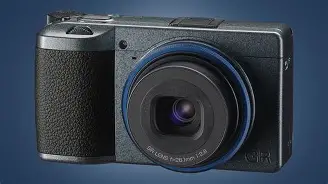
The Ricoh Gr series has long been respected for delivering a camera tailored to street and documentary shooters: small footprint, quick operation, and an emphasis on a high-quality fixed lens tuned for edge-to-edge sharpness. The Ricoh Gr Iv continues that lineage, prioritizing tactile controls and immediate accessibility to commonly used settings. In this test it was evaluated for its classic strengths—snap focus speed, JPEG color science, and discreet handling.
Antigravity A1 — the challenger
The Antigravity A1 positions itself as a modern compact with feature-rich hardware and aggressive performance claims. It targets photographers who want a pocket camera but demand modern conveniences: fast autofocus, flexible file delivery, and a UI that tries to blend smartphone ease with physical controls. In the blind test it was judged on whether its newer design language and technology translated into better images or simply more bells and whistles.
Detailed analysis: image quality and color
Image quality is the single most important factor for many buyers, so it was measured two ways: raw detail and in-camera JPEG output. In daylight, both cameras produced images that passed muster for social-sharing and editorial use. Differences emerged in color rendition and microcontrast.
- Sharpness and detail: The Ricoh Gr Iv tended to produce slightly crisper microcontrast in textures—concrete, fabric, and foliage—when both cameras shot in good light. That perceived sharpness translated well to crops and lent itself to print-worthy results at moderate sizes.
- Color rendition: JPEGs from the Antigravity A1 leaned toward a neutral, modern profile with restrained saturation. The Ricoh delivered punchier, warmer JPEGs straight out of the camera. Photographers who prefer richer-tone JPEGs with minimal editing will appreciate the Ricoh's look; those who prefer to shape color in post may prefer the A1's flatter baseline.
- Dynamic range and highlight handling: In high-contrast street scenes, both cameras preserved highlights reasonably well, but shadows recovered slightly better from Antigravity A1 RAW files when aggressive recovery was applied. This suggested the A1's sensor pipeline or processing might retain more usable shadow detail at higher ISOs.
Low-light performance and noise
Low-light shooting was a decisive factor for many practical users—travelers, event shooters, and low-light street photographers. Both cameras are compact, so thermal and sensor size constraints influence performance.
Discover deals on Cameras & Photography — updated daily.
View Offers →- Noise control: At practical ISOs (e.g., ISO 800–3200), the Antigravity A1 produced cleaner-looking images with less aggressive luminance suppression. The Ricoh Gr Iv had more pronounced denoising in JPEGs, which sometimes caused fine detail loss in shadows.
- Color and tone at high ISO: The Ricoh’s high-ISO JPEGs skewed slightly warmer and more contrasty, which may be aesthetically pleasing in some contexts but less accurate for documentary work. The Antigravity A1 retained a truer color under tungsten and mixed lighting.
- Practical usability: The Ricoh felt quicker to compose handheld at night due to responsive lens movement and tactile controls, but the Antigravity produced more usable RAW files for post-processing.
Autofocus, speed, and ergonomics
Autofocus performance directly affects the percentage of keeper shots in everyday shooting.
- AF speed and accuracy: The Antigravity A1 showed faster subject acquisition in most test scenarios, particularly in single-point AF and face detection. It tracked slow-moving subjects more reliably. The Ricoh Gr Iv, historically optimized for snap-focused street work, excelled at quick manual framing and zone focusing but felt slightly slower in continuous-AF tracking.
- Shutter lag and responsiveness: Both cameras had minimal shutter lag for casual shooting, but the Ricoh’s physical controls—dedicated aperture and exposure compensation dials—made it faster to adjust settings without taking the eye from the viewfinder or the scene.
- Ergonomics: The Ricoh retained a compact, blocky body with a comfortable thumb rest and intuitive buttons, favored by photographers who shoot one-handed on the street. The Antigravity A1 opted for a slightly larger grip and a touchscreen-forward interface, which appealed to users transitioning from smartphones.
Workflow: files, battery, and connectivity
For buyers, how a camera fits into daily workflow is often as important as image quality.
- File handling: The Antigravity A1 emphasized quick transfer options and a comprehensive mobile app for tethering and geotagging, improving the speed of social or editorial workflow. The Ricoh Gr Iv offered reliable RAW and JPEG options, and its established third-party RAW support made integration into existing desktop workflows seamless.
- Battery life: Both cameras performed similarly under moderate use. The Antigravity A1 consumed more power with its always-on connectivity features and larger rear screen, so an extra battery was recommended for long outings. The Ricoh, with a more conservative electronics stack, offered slightly longer endurance on a single charge.
- Build and serviceability: The Ricoh benefits from long-term service networks and established repair parts in many regions. The Antigravity, as a newer brand, has less history; buyers should confirm local warranty and repair options before purchase.
Pros & cons
Ricoh Gr Iv
- Pros:
- Compact, discreet body suited for street and travel use
- Tactile physical controls allow fast manual adjustments
- Pleasant JPEG color straight out of camera for quick sharing
- Established repair and accessory ecosystem
- Cons:
- Autofocus tracking lags behind newer competitors in some scenarios
- High-ISO JPEG denoising can reduce fine detail
- Limited connectivity or modern conveniences compared with fresh entrants
Antigravity A1
- Pros:
- Modern autofocus system with reliable subject tracking
- Cleaner RAW files and better shadow recovery in tests
- Feature-rich connectivity improves workflow speed
- Flexible touchscreen interface for faster menu navigation
- Cons:
- Larger footprint may be less discreet for street shooters
- Newer brand means less-established service network in some regions
- JPEG color is flatter and may require more post-editing for pleasing tones
Side-by-side comparison
The table below summarizes the most relevant differences observed during the blind test. It is designed for quick consumption of what typically matters to buyers.
| Category | Ricoh Gr Iv | Antigravity A1 |
|---|---|---|
| Design & Handling | Very compact, tactile controls, excellent for one-handed street shooting | Slightly larger grip, modern layout, touchscreen-forward |
| Autofocus | Quick for single shots and snap focus, weaker continuous tracking | Faster acquisition, better continuous/face tracking |
| Image Character | Punchier JPEGs, high microcontrast | Neutral JPEGs, RAWs retain more shadow detail |
| Low-light Performance | Good usable output, more aggressive in-camera denoising | Cleaner high-ISO files, better shadow recovery in RAW |
| Battery & Connectivity | Longer single-charge life, basic connectivity | Feature-rich connectivity, slightly shorter battery life |
| Service & Ecosystem | Established accessories, reliable service network | Newer ecosystem, check warranty and regional support |
| Best for | Discreet street photography, photographers who prioritize tactile controls | Users who want modern autofocus and flexible RAW workflow |
Buying guide: which camera fits which user
Choosing between the Ricoh Gr Iv and Antigravity A1 depends on priorities. Below are common buyer profiles and which camera suits each profile more closely.
Street and documentary photographers
Buyers who value discretion, a small footprint, and fast, tactile access to controls will prefer the Ricoh Gr Iv. Its ergonomics and immediate JPEG output make it excellent for long days of walking and fast composition. If the photographer prefers to shoot and deliver JPEGs with minimal editing, the Ricoh’s color science is advantageous.
Travel and hybrid shooters
Travelers who document trips for social platforms, blogs, or light editorial work may find the Antigravity A1 more appealing. The cleaner RAW files and stronger autofocus make it easier to hand off good images quickly, and the connectivity features help upload proof images or geotag on the go. However, travelers who prioritize a lighter, more pocketable rig might still favor the Ricoh.
Looking for the best Cameras & Photography deals on Amazon?
Shop Amazon →Photographers who edit heavily
If most images are destined for careful editing, and shadow recovery or dynamic range matters more than immediate JPEG looks, the Antigravity A1’s RAW performance gives it an edge. The neutral baseline saves time in post and helps with color grading consistency across varied lighting.
Casual shooters and smartphone switchers
Those used to smartphone interfaces and wanting an easy transition will appreciate the Antigravity A1’s touchscreen and app-led workflow. If the goal is to step up from a phone but keep a similar experience, the A1 reduces friction. Conversely, users who enjoy manual control and a more camera-like experience will lean toward the Ricoh.
Budget and long-term considerations
Buyers should factor long-term support and accessory availability into the decision. The Ricoh benefits from established third-party accessories and service centers, which can make ownership simpler over time. Antigravity’s newer approach may provide modern features at a competitive price, but buyers are advised to confirm warranty terms and regional service options.
Practical tips for prospective buyers
- Test handling in person: compact cameras differ wildly in ergonomics—what feels good for one hand size may feel awkward for another.
- Consider workflow: if immediate sharing from the camera is important, confirm the mobile app and connectivity feature set of your chosen model.
- Bring an extra battery: both cameras benefit from a spare for all-day shoots, but the A1’s connectivity and screen may demand a second battery sooner.
- Prioritize what matters: image character, autofocus, or pocketability—rank these before purchase to match the camera to real needs.
- Check service options: if planning to travel with the camera to remote areas, confirm where repairs and parts are available.
Conclusion
The blind test revealed that neither camera is strictly “better” in every aspect; rather, each excels in areas that align with different photographer priorities. The Ricoh Gr Iv stands out for photographers who prize tactile controls, discreet handling, andJPEG character—traits that have long made the Gr series a favorite among street and documentary shooters. The Antigravity A1, meanwhile, offers a modern package: stronger autofocus, cleaner RAWs at higher ISOs, and connectivity features that ease a digital-first workflow.
For photographers who want a pocket camera that feels like a tool for making pictures quickly and with personality, the Ricoh Gr Iv is an excellent choice. For those who prioritize technical performance, workflow integration, and versatile post-processing latitude, the Antigravity A1 is compelling. The right pick depends on whether the buyer values immediate results and feel (Ricoh) or modern processing headroom and features (Antigravity).