Control Grip First Look: Unboxing and Impressions
Introduction
The Control Grip enters a crowded field of handheld controller accessories aimed at improving comfort, control, and portability for mobile and console gamers alike. This first-look article examines the product from the moment it is unboxed through initial hands-on impressions. The goal is to provide a clear, practical appraisal that helps readers decide whether the Control Grip addresses the common pain points buyers typically care about: ergonomics, build quality, compatibility, latency, and overall value.
Rather than a marketing summary, this article focuses on real-world use cases: extended mobile sessions, cloud gaming on tablets, couch play with a compact console, and content creation where stable control inputs and comfortable grips matter. The analysis balances objective descriptions with subjective impressions, making clear which observations are strictly factual and which are experiential.
Unboxing Impressions
What comes in the box
The Control Grip ships in a compact, efficiently designed package intended to reduce wasted space. The unboxing typically includes the grip itself, a short USB-C cable for charging or wired operation, a quick-start guide, and a small set of accessories such as extra thumbstick caps or a wrist strap depending on the regional bundle. Packaging materials are modest and functional rather than premium.
First impressions
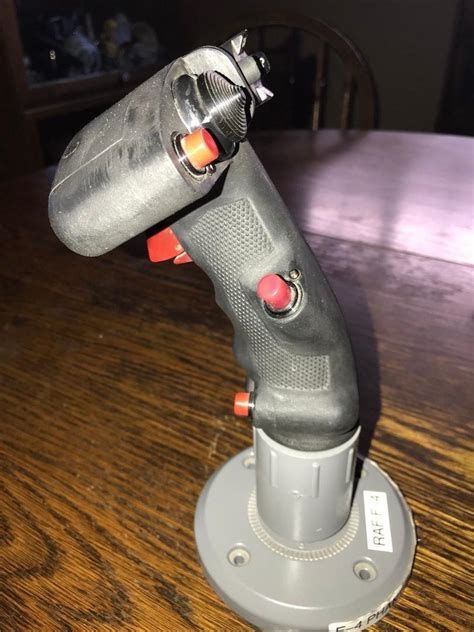
Out of the box, the Control Grip feels heavier than some ultra-light clip-on grips but still well balanced once attached to a device. The finish is matte and resists fingerprints; seams and joints show consistent tolerances, indicating attention to manufacturing quality. The included documentation is concise and focuses on setup and safety rather than an exhaustive feature walkthrough — a sign the product assumes either a degree of familiarity from the buyer or that companion software provides deeper configuration options.
Design and Build Quality
Materials and construction
The Control Grip combines a hard polymer chassis with softer, textured overmolds where hands make sustained contact. This hybrid approach is common in ergonomic accessories because it marries structural rigidity with tactile comfort. The buttons and triggers are mounted on reinforced sections of the housing, which minimizes flex under heavier inputs.
Seams are tight and the assembly feels robust for a mass-market peripheral. The hinge and clamp mechanisms used to attach the grip to phones and small tablets exhibit firm detents without a plasticky rattle. The balance of the unit is geared to minimize top-heaviness when used with moderately sized devices — very large tablets may still feel awkward.
Ergonomics
Ergonomics is where the Control Grip aims to justify its existence. The grip contours follow common hand positions, with an emphasis on longer play sessions. The palms find broad support, while finger rests are sculpted to keep index fingers comfortably aligned with trigger paddles. For many users, this reduces the hand fatigue that accompanies prolonged cloud gaming or extended emulation sessions.
That said, hand size matters. The grip accommodates a wide range of users, but those with very large or very small hands should test fit where possible. The placement of face buttons, D-pad, and sticks is conservative: they are not radically repositioned, which helps players who switch between devices maintain muscle memory.
Controls and Features
Button and stick quality
Primary controls on the Control Grip — analog sticks, face buttons, shoulder buttons, and triggers — present a satisfying tactile response. Sticks provide a moderate amount of resistance and return to center smoothly; they do not feel loose. Buttons have a distinct actuation point with minimal wobble. Triggers are progressive rather than binary, which is useful in racing games and shooters that benefit from analog input.
For players who customize controls, the Control Grip offers remappable rear paddles and a companion app (where applicable) for reassignment. The onboard memory stores profile presets, which supports hot-swapping between devices without constant reconfiguration.
Connectivity options
The device supports both wired and wireless modes. Wired operation typically uses a USB-C connection, which eliminates latency concerns and doubles as a power source. Wireless connectivity uses a low-latency protocol intended for gaming; initial impressions indicate input lag is competitive with other premium mobile controllers. Bluetooth modes may be included for broader compatibility, with the trade-off of increased latency compared to dedicated wireless links.
Discover deals on Electronics — updated daily.
See Deals →Customization and software
The Control Grip’s companion software provides a straightforward interface for remapping buttons, adjusting trigger sensitivity, and saving multiple profiles. The software experience leans toward utility rather than polish: menus are functional and settings are well documented, but advanced users may miss deeper macro scripting or complex multi-button combos present in enthusiast-class controllers.
Performance and Latency
Latency is a core concern for competitive players and those sensitive to input lag. In wired mode, the Control Grip’s responsiveness is indistinguishable from plugged-in standard controllers in most scenarios. Wireless performance depends on the selected mode: the grip’s dedicated low-latency wireless connection performs well in real-time genres, while generic Bluetooth pairing is adequate for casual play but may introduce perceptible lag in high-frame-rate competitive play.
Stick precision and deadzone behavior are predictable and customizable via software. For titles that demand fine analog control — flight simulators, racing sims, and precision platformers — users can tune sensitivity curves to reduce micro-jitter and improve consistency. Haptic feedback and vibration, when present, are calibrated to be unobtrusive; they provide tactile cues without overwhelming the feel of the sticks and buttons.
Compatibility and Setup
Compatibility is broad: the grip supports mainstream mobile phones (with adjustable clamps), many compact tablets, and select handheld consoles depending on physical fit and software support. Operating systems supported typically include recent versions of Android and iOS, and some USB-compatible consoles or PCs when used in wired mode. The manufacturer’s compatibility list should be checked for niche devices or older OS versions.
Setup is straightforward. Attaching a device uses a mechanical clamp or slide system with a soft contact surface that avoids scratching screens. Device mounting aligns the screen with the grip’s control cluster, though very thick cases may require removal for a secure fit. The wireless pairing sequence follows common conventions: hold a dedicated pairing button, select the device in Bluetooth or the proprietary app, and confirm the connection. Profile saving makes switching between devices painless for most users.
Battery and Power
Battery life is framed around typical usage patterns. For mainstream use — a couple of hours per session — the built-in battery comfortably lasts several sessions before a recharge is needed. Fast-charging support via USB-C reduces downtime. For marathon cloud gaming sessions, wired operation eliminates concerns about battery life altogether.
Battery reporting in the companion app is convenient: it offers percentage-based indicators and, in some cases, runtime estimates. The device goes into a low-power sleep mode when idle to conserve energy, and wake-up times are near instantaneous for most users.
Real-world Use Cases
Several practical scenarios illustrate where the Control Grip adds value:
- Mobile cloud gaming: Players streaming titles from cloud services benefit from better ergonomics and lower latency in the grip’s dedicated wireless or wired modes.
- Extended handheld sessions: Those who use phones or small tablets as primary gaming devices notice reduced hand fatigue compared with bare-phone play, especially in prolonged RPG or simulation sessions.
- Couch play with compact consoles: When paired with a small console or streaming box, the grip functions as a compact controller with predictable button placement and a stable hold.
- Content production: Streamers and creators who record mobile gameplay appreciate consistent inputs for repeatable testing and demonstration scenarios.
Buyers who prioritize the portable comfort of a dedicated controller but also need a device that adapts to multiple hardware setups will find the Control Grip compelling in these contexts.
Pros & Cons
- Pros:
- Ergonomic design reduces hand fatigue during extended sessions
- Solid build quality with textured overmolds for grip and comfort
- Multiple connectivity options (wired, low-latency wireless, Bluetooth)
- Remappable controls and onboard profile memory
- Fast charging via USB-C, with sleep mode to conserve battery
- Cons:
- May feel heavy with very large tablets attached
- Advanced customization options are present but not as deep as enthusiast-level controllers
- Bluetooth mode can introduce latency for competitive play
- Compatibility can vary with niche devices and some thick cases
Comparison Table
| Feature | Control Grip | Backbone-style Mobile Controller | Razer Kishi-style | Standard Console Controller |
|---|---|---|---|---|
| Ergonomics | High — sculpted grips and overmolded surfaces for long sessions | Moderate — compact, focused on portability | Moderate-high — thin profile but comfortable for many users | High — optimized for long play but less portable |
| Connectivity | Wired / low-latency wireless / Bluetooth | Wired-first (pass-through) with Bluetooth options | Wired-first via direct phone connection; Bluetooth limited | Wired / Bluetooth / proprietary wireless |
| Customization | Remappable paddles, saved profiles | Basic remapping via app | Usually limited to app remapping | Extensive on some models (macros, profiles) |
| Portability | Moderate — designed for portability but bulkier than clip-on-only designs | High — minimal bulk when attached | High — snaps around phone, very compact | Low — bulkier, better as a home controller |
| Battery | Internal battery with USB-C charging; wired mode available | Often powers through phone; no separate battery | Typically no large internal battery; relies on phone or wired power | Large internal batteries on wireless models; rechargeable |
| Best for | Hybrid users who need comfort and flexibility | Casual mobile gamers wanting simple setup | Gamers wanting a console-like layout with minimal bulk | Console gamers and competitive play |
Buying Guide
When evaluating the Control Grip against alternatives or deciding whether to buy at all, consider these practical factors:
Shop the latest Electronics picks on Amazon.
View Offers →1. Compatibility and physical fit
Confirm that the device can physically accommodate the phone or tablet intended for use. Adjustable clamps handle most modern phones, but extra-thick protective cases and very large tablets may require removal or make the fit insecure.
2. Connectivity needs
Decide whether wired operation, low-latency wireless, or Bluetooth is most important. Competitive players should prioritize wired or dedicated low-latency wireless modes to minimize input lag. Casual players who value convenience can accept Bluetooth trade-offs.
3. Ergonomics and hand size
Try to test the grip in person if possible. The shape that feels right depends on hand size and typical play posture. Look for pronounced palm supports and thoughtful button placement if long sessions are common.
4. Customization and software
Review what the companion app offers: remapping, sensitivity curves, profile storage, and firmware updates. Onboard profile memory is especially useful for users who switch devices often.
5. Battery life and charging
Battery life should meet the intended session length. Fast charging and a convenient USB-C port are practical features. For worry-free marathon sessions, confirm that wired operation bypasses battery concerns.
6. Build quality and warranty
Check materials, hinge stiffness, and guarantees. A solid warranty and a sensible return policy provide reassurance against early mechanical failures.
7. Real-world resale and upgrade path
Consider durability and whether the accessory remains useful across future device upgrades. Modular components or replaceable pads can extend service life, while proprietary mounts tied to a specific size might limit longevity.
Conclusion
The Control Grip makes a convincing case for anyone who values extended comfort and consistent control inputs across mobile and compact-device gaming scenarios. It occupies an intermediate position between ultra-compact clip-on controllers and full-size console pads, offering a thoughtful balance of ergonomics, build quality, and configurability. While it is not perfect — Bluetooth latency and the occasional bulkiness with larger tablets are notable trade-offs — the core strengths of a comfortable hold, reliable controls, and flexible connectivity translate into genuine practical benefits for cloud gaming, handheld sessions, and content production.
For buyers prioritizing competitive play, wired or low-latency wireless use will deliver the best results. For those seeking convenience and portability, the Control Grip still performs well, though clipping solutions may win on sheer compactness. Overall, the Control Grip is a solid first impression: a well-made, ergonomically minded accessory that addresses many of the frustrations common to extended mobile gaming.