Difference Between Nikon Z 24 70Mm F 2 8 S Ii and Dwarflabs Dwarf Iii Explained
The photography and filmmaking markets include products that serve very different purposes yet often appear together in conversations about image-making. Two such items are the Nikon Z 24 70Mm F 2 8 S Ii—a professional standard zoom lens for Nikon’s Z mirrorless system—and the Dwarflabs Dwarf Iii, a compact cinema camera platform designed for small-footprint production. This article explains the practical differences between them, analyzes where each product shines in real-world use, and helps readers decide which investment aligns with their needs. It assumes the reader is evaluating tools for photography, hybrid photo/video work, or small-scale cinematography and wants a clear, practical comparison rather than technical spec tables only.
Introduction: Apples and Oranges — Why Compare a Lens and a Camera?
At first glance, comparing a lens and a camera body may feel like comparing apples to oranges. That reaction is correct: one is an optical tool that shapes light; the other is the sensor, electronics, and recording mechanism that capture the image. Yet in practice, buyers often weigh lens purchases against camera upgrades because both decisions significantly affect image quality, workflow, and creative possibilities. Understanding how a high-end standard zoom like the Nikon Z 24 70Mm F 2 8 S Ii interacts with bodies and how a compact cinema camera such as the Dwarflabs Dwarf Iii fits into production pipelines clarifies which is the better fit for a given shooter.
Detailed Product Analysis
Nikon Z 24 70Mm F 2 8 S Ii — What it is and where it fits
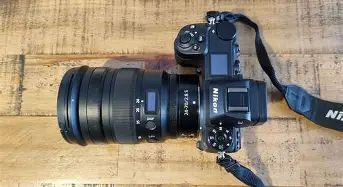
The Nikon Z 24 70Mm F 2 8 S Ii is positioned as a professional-grade, general-purpose zoom for full-frame Nikon Z-mount mirrorless cameras. In real-world terms, it’s the sort of lens a working photographer reaches for when a mix of wide-to-short-tele focal lengths and a constant aperture are required: weddings, editorial assignments, corporate events, travel, and run-and-gun documentary work. The constant f/2.8 aperture enables subject separation and more consistent exposure control across the zoom range, which is useful in unpredictable lighting.
Buyers typically care about the following with a lens of this class:
- Image quality: sharpness across the frame, pleasing rendering of out-of-focus areas, and resistance to flare.
- Autofocus performance: speed and reliability for stills and video, including eye-detection and subject tracking.
- Build and handling: weather sealing, balance on the camera, and ergonomics for long shoots.
- Compatibility and ecosystem: how it pairs with in-body stabilization, teleconverters, and other Z lenses.
In practical use, this lens is often praised for its versatility: it covers the classic 24–70mm range used by many professional shooters and offers a familiar field of view for storytelling. On a wedding day, for instance, a photographer can move from environmental portraits at 24mm to tighter portraiture or detail shots at 70mm without swapping lenses—reducing missed moments and dusting on sensor swaps. For hybrid shooters, the f/2.8 aperture gives a video-friendly shallow depth of field while remaining fast enough for low-light reception when paired with a camera body that handles high ISO well.
Dwarflabs Dwarf Iii — What the platform emphasizes
The Dwarflabs Dwarf Iii is best understood as a compact cinema-oriented camera solution aimed at filmmakers who prioritize size, modularity, and a cinema-friendly capture workflow. Unlike large studio cameras, compact cinema cameras are designed for gimbals, drones, rigs with limited space, or stealthy handheld capture. Typical buyers are indie filmmakers, content creators who want cinematic images, and multi-operator teams needing a small secondary camera for B-roll or POV shots.
Key considerations for buyers evaluating compact cinema cameras include:
Discover deals on Cameras & Photography — updated daily.
View Offers →- Sensor and image pipeline: dynamic range, color science, and raw or log recording options that integrate into grading workflows.
- Form factor and mounting options: how easily it fits on gimbals, cages, and rigs, and whether it supports standard lens mounts or adapters.
- Recording formats and media: internal raw/ProRes options, external recorder compatibility, and media reliability.
- Power and connectivity: battery life, mounting for power sources, and outputs for monitoring and control (SDI/HDMI, timecode).
In real-world productions, the Dwarf Iii excels as a run-and-gun cinematography tool. When shooting a short film on a tight budget, for example, the camera’s small size reduces the need for large rigs or extensive crew to move and operate the camera. It allows for creative placements—inside cars, in confined architectural spaces, or on compact stabilizers—where larger cinema cameras would be impractical. Its appeal is the freedom to capture cinematic perspectives without the overhead of a full production kit.
Pros & Cons
Nikon Z 24 70Mm F 2 8 S Ii — Pros & Cons
- Pros:
- Versatile focal range covering most everyday and professional needs (24–70mm).
- Constant f/2.8 aperture suitable for low light and controlled depth of field.
- High optical performance across the frame for both stills and video production.
- Robust build and weather resistance for outdoor and event work.
- Cons:
- Relatively large and heavy compared with primes—can be fatiguing during long handheld use.
- Cost can be significant; high-end zooms are an investment compared to third-party or prime options.
- Dependence on camera body for stabilization in some shooting setups (buyers should check whether the lens has in-lens stabilization or relies on IBIS).
Dwarflabs Dwarf Iii — Pros & Cons
- Pros:
- Compact form factor that simplifies handheld, gimbal, and rigged shooting.
- Designed for cinema workflows—often supporting raw/log capture for greater grading latitude.
- Modularity and mounting options that favor unusual camera placements and run-and-gun setups.
- Typically a cost-effective way to achieve a cinematic look without a full cinema rig.
- Cons:
- Smaller bodies can mean compromises in ergonomics, cooling, and battery life compared with larger cameras.
- Lens ecosystem and native mount flexibility may require adapters to use preferred glass, adding cost and optical tradeoffs.
- May require external accessories (recorders, batteries, monitors) to fit into a professional pipeline, increasing total kit cost.
Side-by-Side Comparison
| Attribute | Nikon Z 24 70Mm F 2 8 S Ii | Dwarflabs Dwarf Iii |
|---|---|---|
| Category | Standard zoom lens for Nikon Z-mount | Compact cinema camera platform |
| Primary purpose | Versatile photographic and hybrid stills/video use | Cinematic capture for small-scale productions and run-and-gun filmmaking |
| Typical users | Wedding, portrait, travel, editorial, and hybrid shooters | Indie filmmakers, content creators, second-unit and B-roll operators |
| Image control | Optical control of depth of field and sharpness; aperture directly shapes bokeh | Sensor and codec determine final look; lens choice adds character |
| Portability | Moderate—lens adds significant weight to a camera setup | High—the camera is designed to be small and modular |
| Workflow complexity | Simple: fits directly on Nikon Z bodies; typical photo/video workflows | Moderate to complex: may involve raw workflows, external recorders, and grading |
| Investment decision | Long-term investment in optics that retain value and can be used across bodies | Equipment choice that may require additional kit to integrate into a pro pipeline |
Real-World Use Cases: Who Should Choose What?
When the Nikon Z 24 70Mm F 2 8 S Ii Is the Better Choice
If the majority of work is stills, or a hybrid of stills and video where quick lens changes and focal flexibility matter, the Nikon zoom is likely the better starting point. Examples:
- Event photography: A wedding photographer benefits from a 24–70mm’s ability to cover ceremony to reception without swapping lenses.
- Editorial/travel assignments: One lens that covers landscapes, street scenes, and portraits reduces packing and time lost to lens swaps.
- Hybrid content creation: A photographer who shoots both images and short-form video will appreciate consistent framing and aperture control.
When the Dwarflabs Dwarf Iii Is More Appropriate
When the goal is cinematic capture in tight spaces, or the production calls for a small camera that integrates cleanly with gimbals and rigs, the Dwarf Iii becomes compelling. Examples:
- Indie short films and documentaries: A small cinema camera allows creative camera placements and prolonged handheld operation without a large crew.
- B-roll and second-unit capture: Compact cameras are ideal for chase sequences, car interiors, or POV shots where a full-sized cinema camera would be intrusive.
- Content creators upgrading to cinematic workflows: Those who want to adopt log or raw capture for grading advantage might prefer a camera built around those formats.
Buying Guide: How to Decide
Deciding between investing in a high-quality lens like the Nikon Z 24 70Mm F 2 8 S Ii and a compact cinema camera such as the Dwarflabs Dwarf Iii depends on a few core questions. Consider each point below as a litmus test for the right purchase.
1. What is the primary deliverable?
If the primary output is still photography or event-based hybrid work, prioritize lens investment. Lenses are long-term assets that travel across camera upgrades. If the primary output is cinematic video that will undergo color grading and needs raw/log capture, a camera optimized for cinema workflows will have greater impact on the final image.
2. What is the workflow tolerance?
For photographers who prefer fast turnaround with minimal post-production, investing in a lens that produces good straight-out-of-camera images (with in-camera profiles) makes sense. Filmmakers planning to grade footage in post need cameras that offer wide dynamic range and flexible codecs, but should also account for the extra storage, compute, and color grading time required.
3. What are the physical constraints of the shoot?
If most shooting is handheld or on a gimbal, weight and balance matter. A heavy lens on a lightweight body can shift ergonomics, just as a large camera body may make handheld work difficult. A small cinema camera is designed to solve that problem at the cost of some ergonomic comforts and possibly battery life.
Find top-rated Cameras & Photography products at great prices.
View Offers →4. What is the broader kit ecosystem?
Consider whether the purchase complements existing gear. A photographer committed to the Nikon Z ecosystem benefits greatly from investing in high-quality Z-mount glass. A filmmaker already owning lenses of a particular mount may prefer a camera body that accepts those lenses via adapter, reducing the need for new optics.

5. Budget and total cost of ownership
Remember to include necessary accessories when budgeting: for the camera, consider media, batteries, power solutions, external monitors, and cages; for the lens, consider camera bodies, filters, and possibly gimbal support for heavier combinations. Lenses often retain resale value well, while camera systems may depreciate faster as sensor technology advances.
6. Future-proofing
High-quality lenses can outlast multiple camera bodies and retain optical characteristics that are still valuable as sensor tech improves. Cameras deliver sensor and codec capabilities that can be upgraded by body replacement. If future-proofing is a priority, balancing a core set of lenses with incremental camera upgrades is a conservative strategy.
Practical Checklist Before Buying
- Test handling: rent or demo the lens or camera where possible to evaluate ergonomics.
- Confirm compatibility: check mounts, stabilization approaches, and adapter needs.
- Plan the workflow: ensure the recording formats align with post-production capabilities.
- Assess total kit cost: include batteries, media, rigs, and protective gear.
- Consider resale and upgrade paths: which investment scales better with your career goals?
Conclusion
The Nikon Z 24 70Mm F 2 8 S Ii and the Dwarflabs Dwarf Iii serve different but sometimes overlapping creative needs. The Nikon lens is an investment in optical versatility and long-term photographic capability—ideal for professionals who need one lens to cover a wide range of assignments. The Dwarflabs camera, on the other hand, is a tool optimized for compact cinematography and cinematic workflows where form factor, modularity, and capture flexibility are paramount.
Choosing between them is not strictly a question of which is better overall, but which is better for the user’s specific projects and workflow. For a photographer building a career around hybrid shoots and events, the lens is more likely to deliver immediate value. For a filmmaker prioritizing small-camera cinematic capture, the compact cinema camera will unlock creative possibilities that a lens alone cannot deliver. Buyers should weigh the immediate needs of their work, the long-term value of optics, and the additional costs required to integrate either product into a professional pipeline before making a purchase.